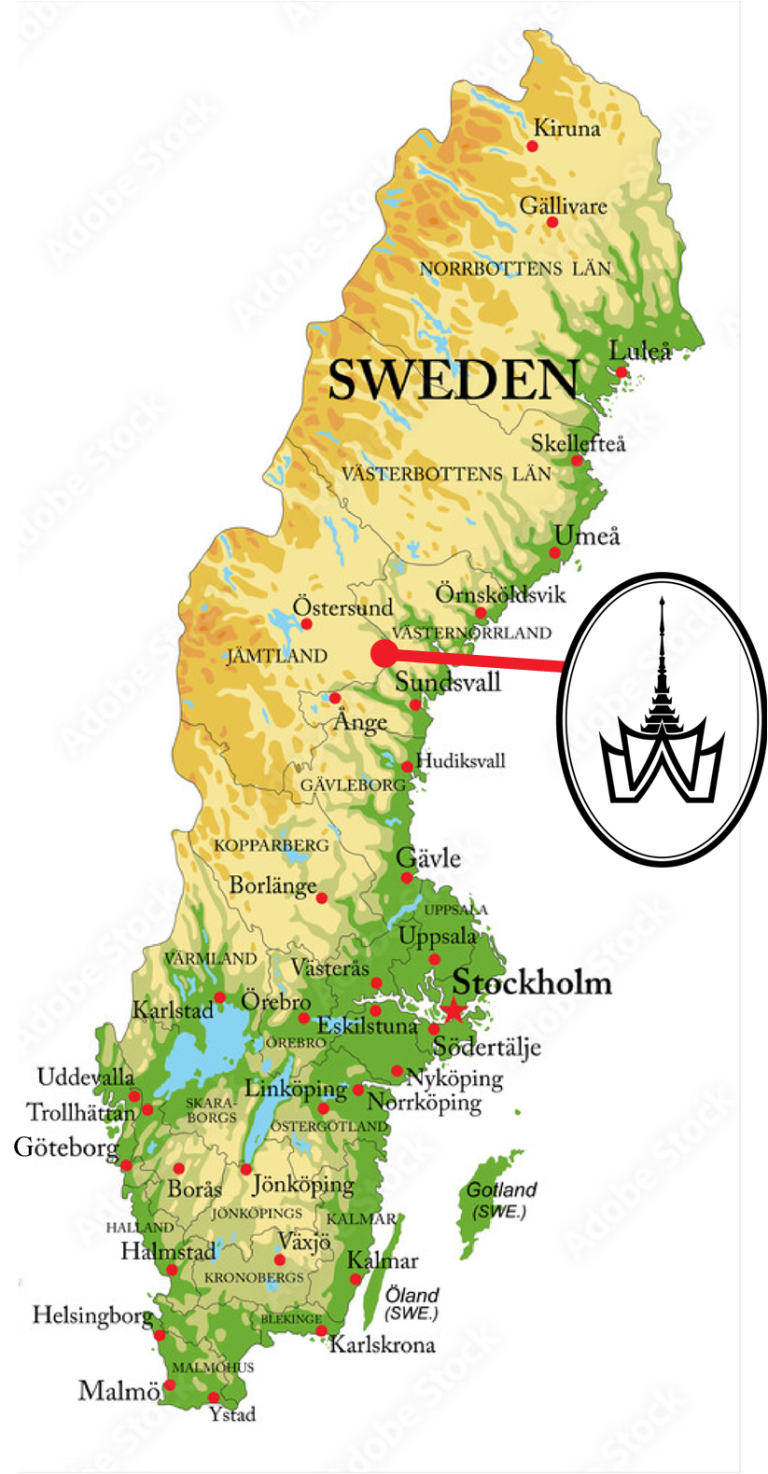
The Royal Memorial Site of King Chulalongkorn
After the construction of the Hölleforsen power station, outside Bispgården in eastern Jämtland in the late 1940s, the Swedish State Power Board upgraded part of the road that had been built between 1892 and 1894 from Holmsta down to the steamboat harbor at Edset, where, among others, King Chulalongkorn had traveled on July 19, 1897.
The road was given the name “King Chulalongkorn’s Road.”
The Royal Memorial Site of King Chulalongkorn year 2022-2023
The Royal Memorial Site in Utanede, outside Bispgården, can best be likened to an uncut diamond and stands as a spectacular visitor destination in the heart of northern Sweden’s natural and cultural landscape.
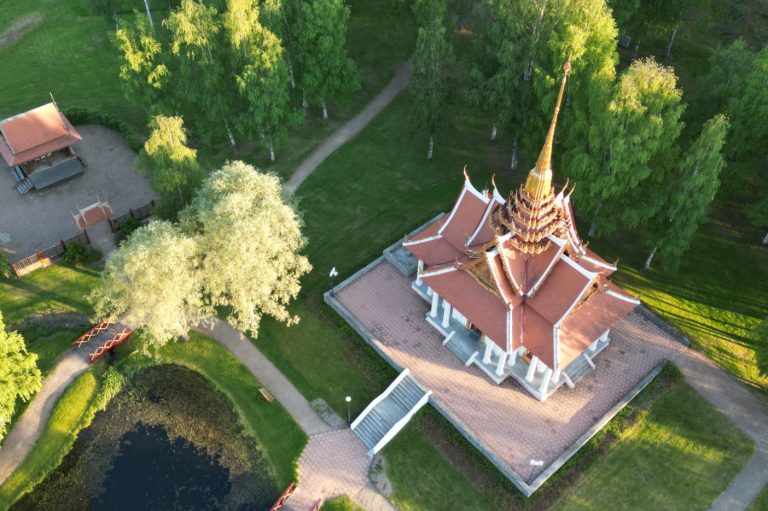
Development plan
Based on a development plan in which the Fors Business Association, the Fors Local Heritage Society, and the Fors Community Association concluded that the tourism value of the Thai Pavilion should have further development potential.
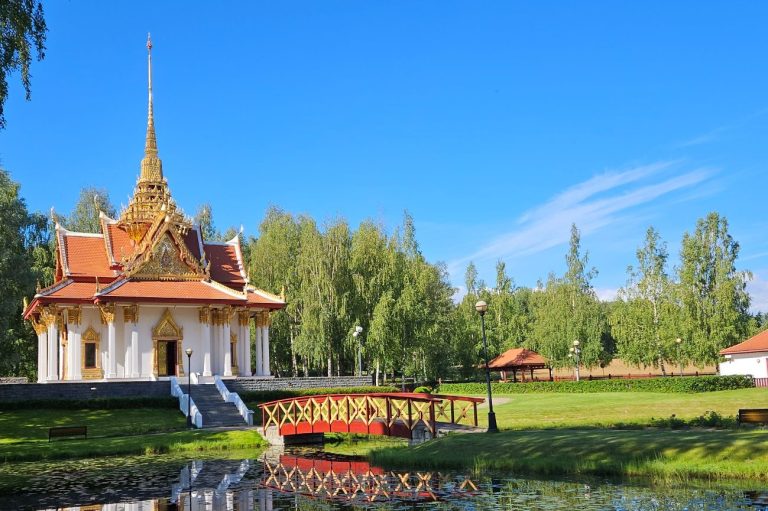
Exploring Future
The Fors Business Association (FFF) negotiated an agreement with Ragunda Municipality to manage the tourism-related operations at the pavilion during the 2022 season.
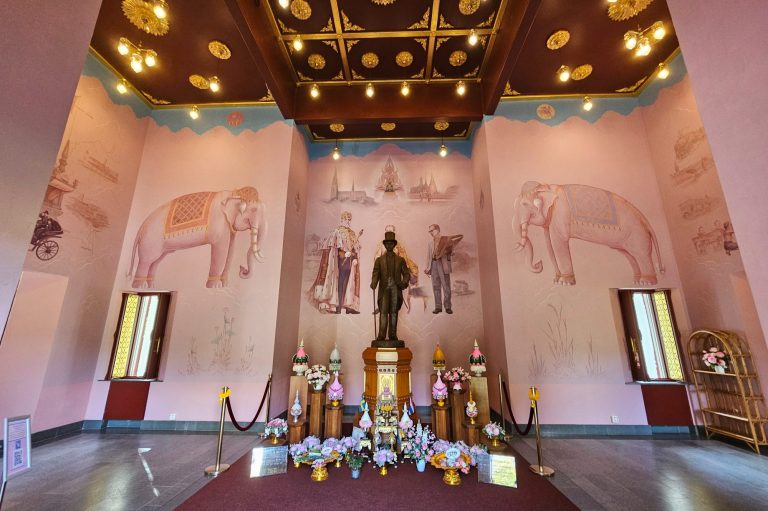
Open for Visitors
This resulted in FFF applying for and receiving funding for a preliminary study aimed at exploring future development opportunities for the Thai Pavilion.Through an agreement similar to the one in 2022,
FFF was also responsible for the pavilion during the 2023 season.
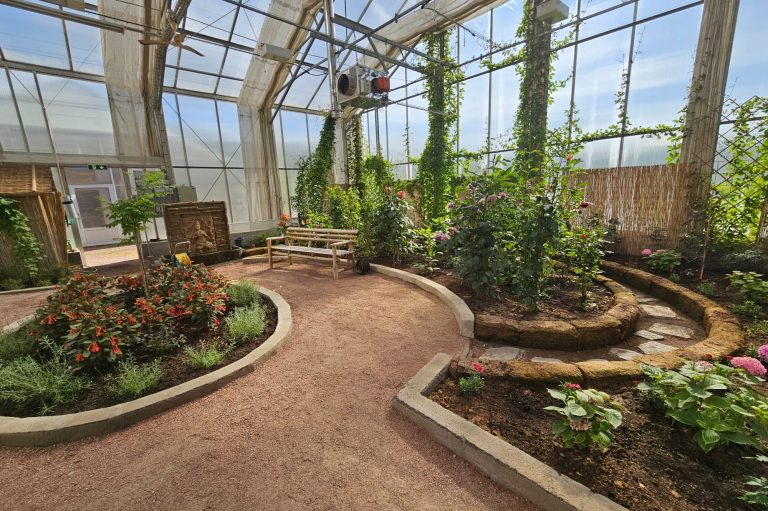
Green House
Prior to the opening, the association refurbished the entrance area, renovated the automation systems and mechanical equipment in the large greenhouse with the assistance of Göran Olsson.
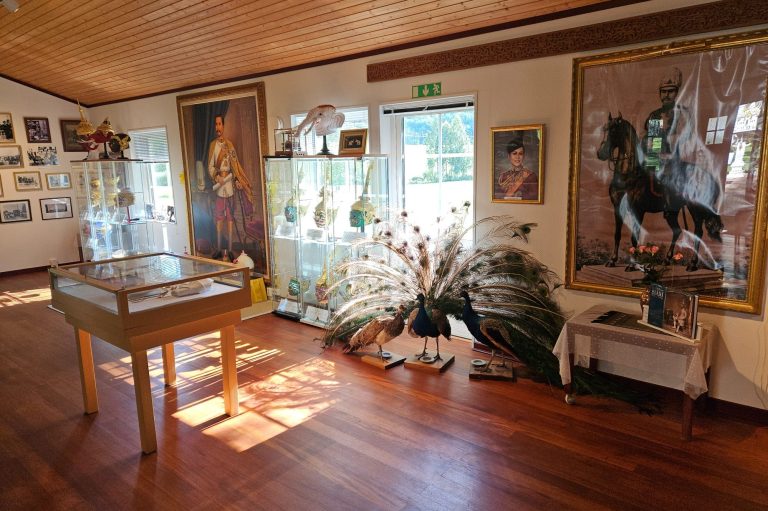
Cultural Building
FFF opened the cultural building so that it could once again become part of the overall visitor experience. These buildings had not been accessible to visitors for several years.
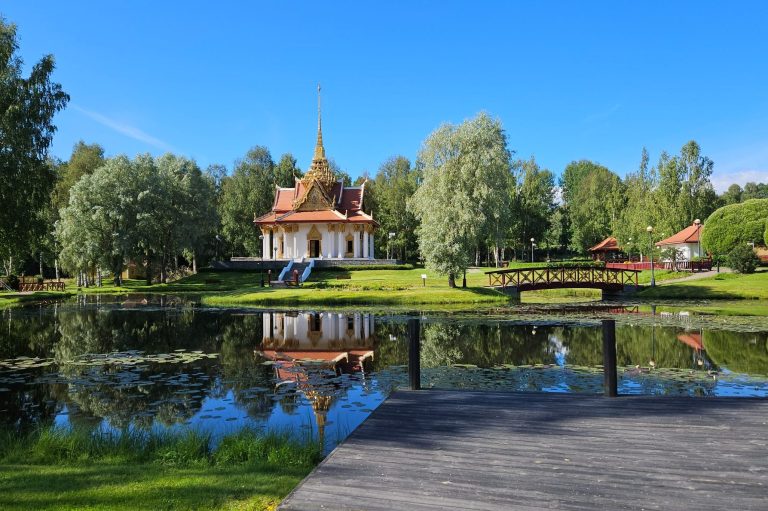
The Park Area
Plantings in both the park area and the large greenhouse were carried out by FFF’s own staff, with expert assistance from the local gardeners Stefan Lidberg and Larz Danielsson.
Tourist Travel in the 19th Century –
The First Tourist Destination of Jämtland
The reason why several prominent individuals traveled along the Indalsälven River originated from the fact that commercial tourist journeys on the river began to emerge during the 1870s. From 1892 onward, it was possible to travel the entire route between Sundsvall and Fors, meaning that tourism in Jämtland was effectively born in Bispgården.
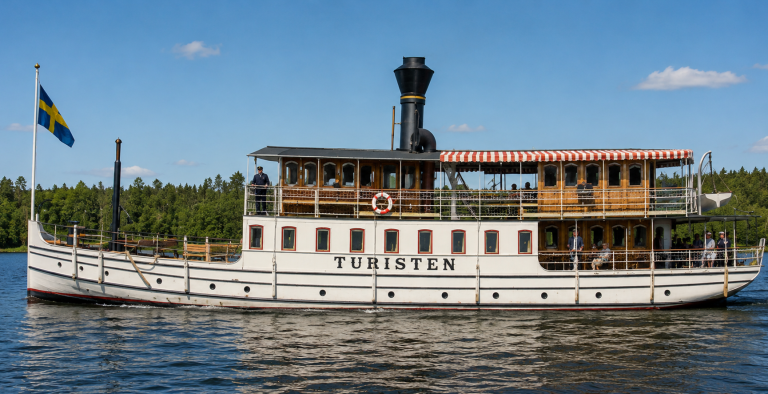
Turisten
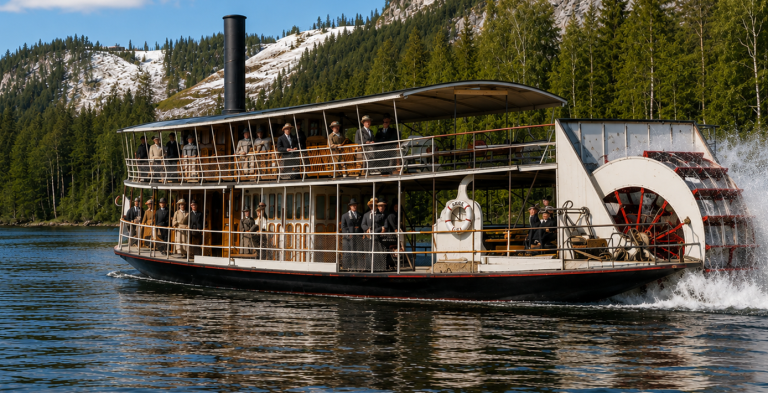
Indalen
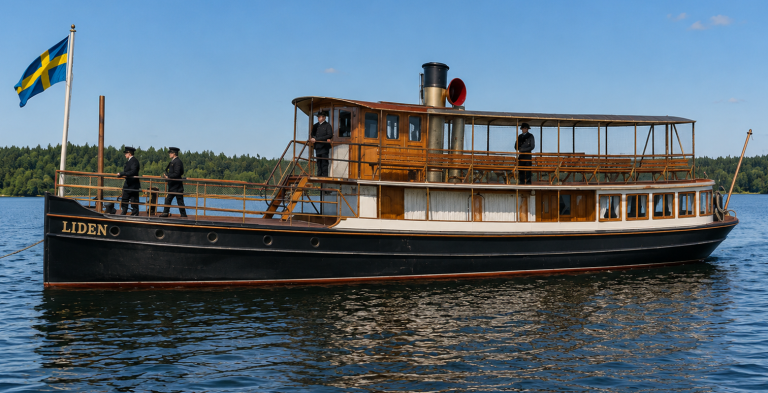
Liden
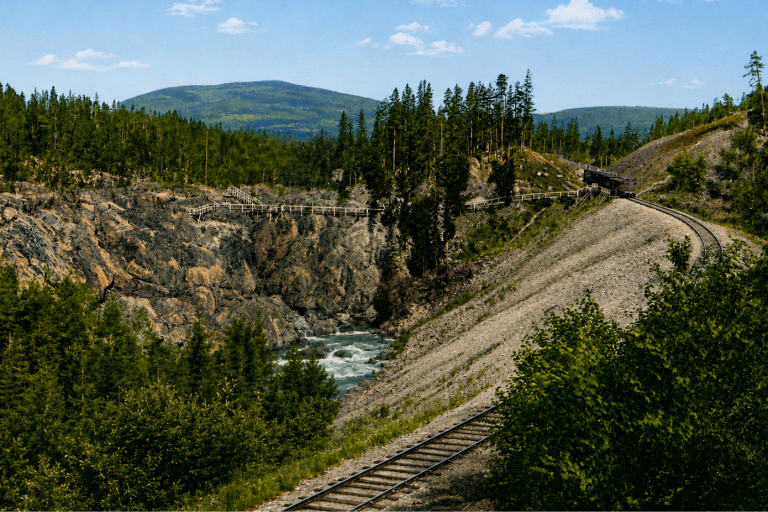
The Death Falls
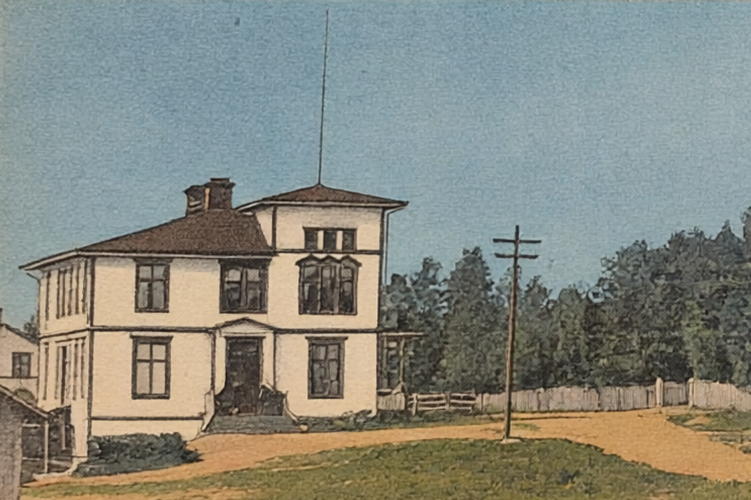
Hotel
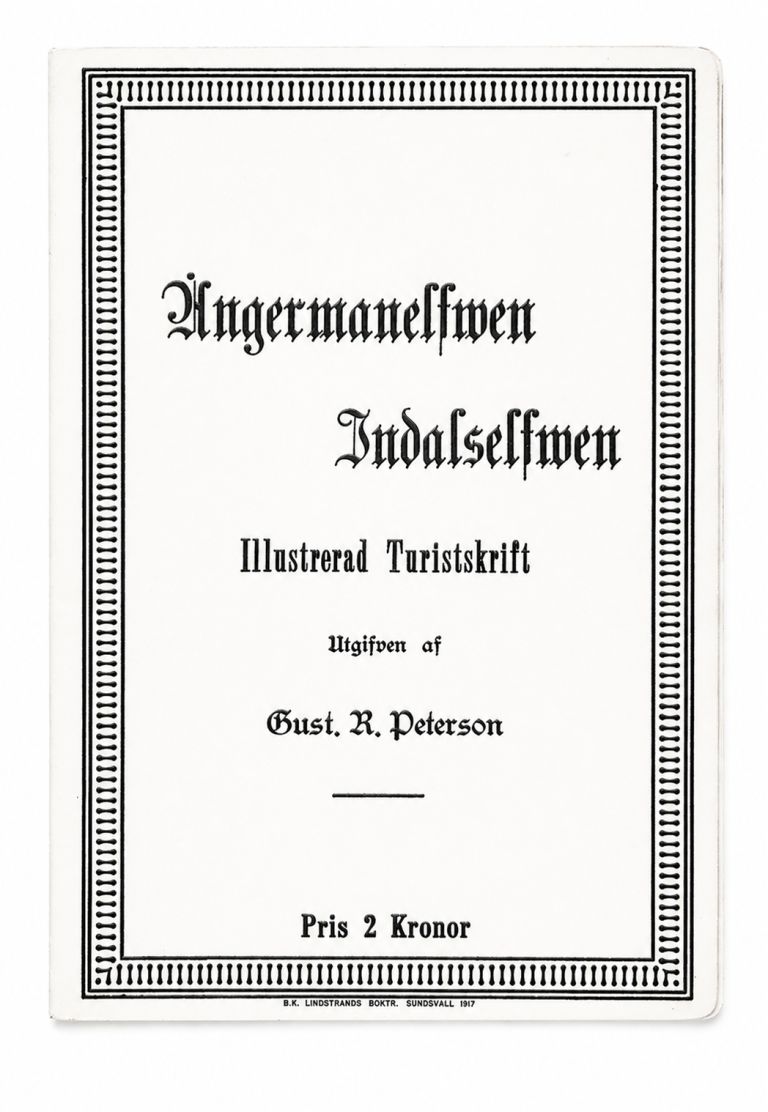
Illustrated travel booklet
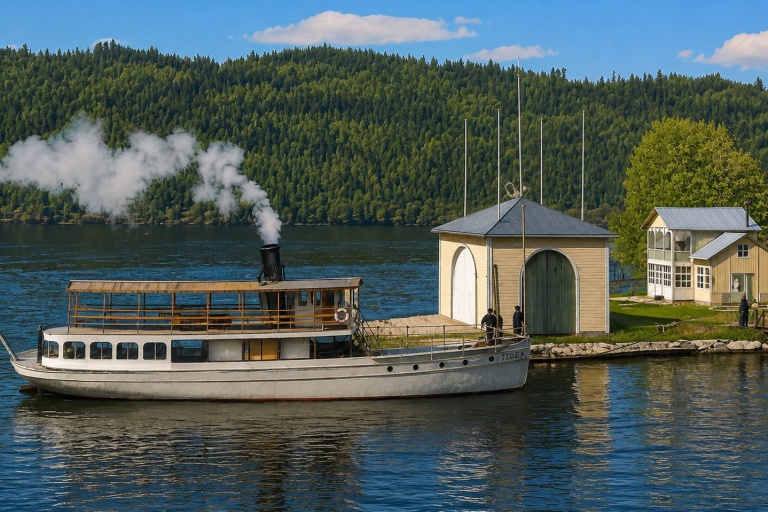
Edset
When travelers reached Edset in Utanede and continued toward Bispgården, they encountered something that would soon become widely renowned: a landscape of dramatic beauty and stories. At Döda fallet, the power of nature stood written in stone, and the tales of Vild Hussen lived on as both fact and myth. Here, visitors found not only scenery - but stories.
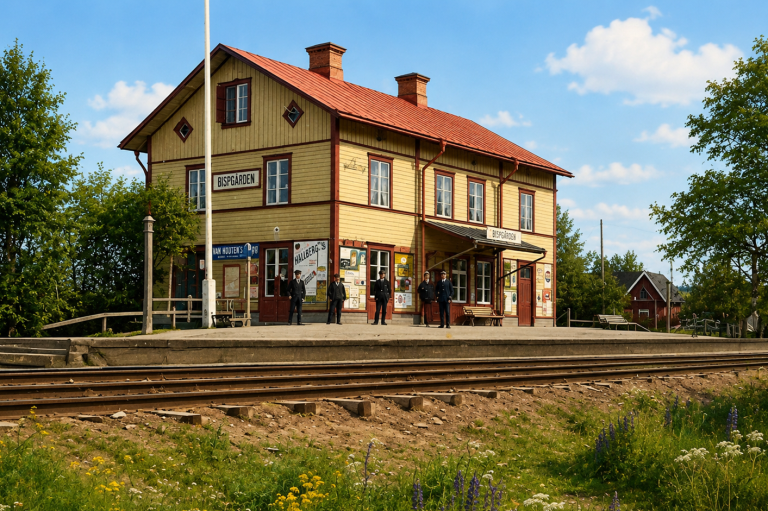
Railway Station Bispgården
The arrival of the railway in Bispgården in 1885 further strengthened the area’s importance. Soon, combined train and steamship journeys were offered, and a steady stream of visitors sought out this still sparsely populated region. Hotels and guesthouses emerged - first around the station and later along the riverbank.
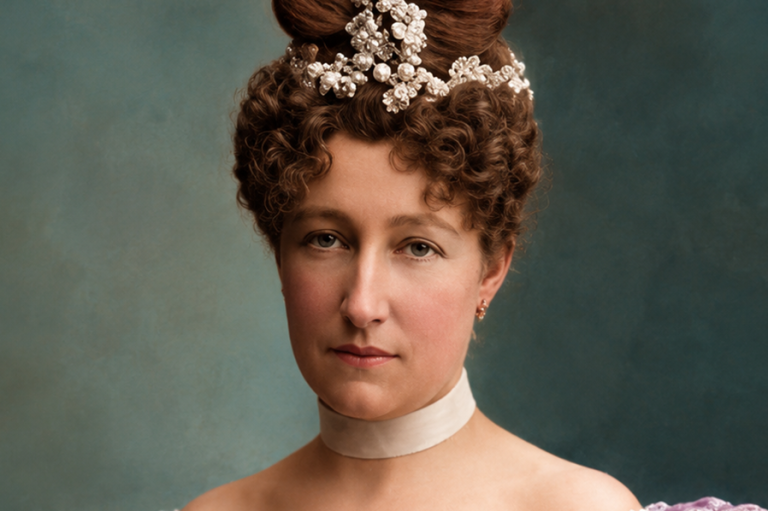
Princess Stephanie
It was a time of flourishing - a short but intense era when Bispgården stood at the center of something greater than itself.
The reputation spread far beyond Sweden’s borders. In the summer of 1893, Princess Stéphanie of Belgium arrived, and the following year King Oscar II traveled the same route through the landscape.
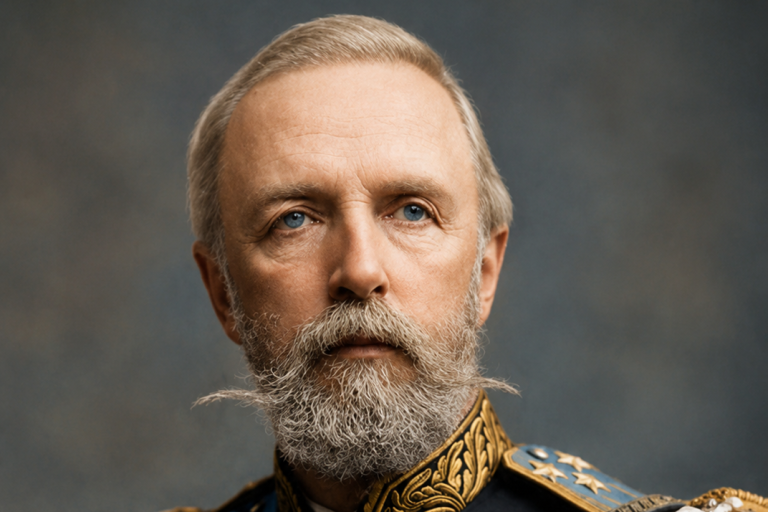
King Oscar II
Thanks to this, and also to the recommendation of Siam’s Consul General in Sweden and Norway, Axel Jonsson, this journey became one of the alternatives when King Chulalongkorn planned his visit to Sweden in 1897. He was also eager to study the Swedish forestry industry - from timber floating to sawmills - something that suited this route along both the Ångermanälven and Indalsälven rivers perfectly.
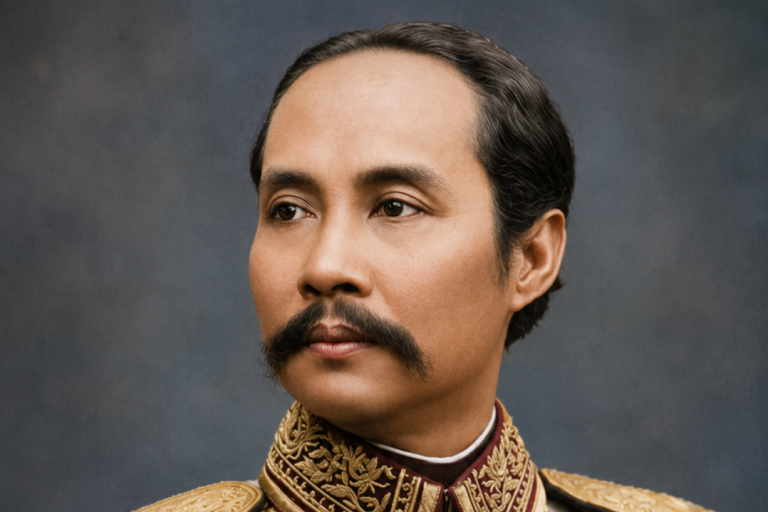
King Chulalongkorn
One factor that facilitated King Chulalongkorn’s journey — and probably contributed to making it possible for him to travel to Europe at all with his ship — was the Opening of the Suez Canal. Construction of the canal began in 1859, and it was officially inaugurated ten years later, on 16–17 November 1869.
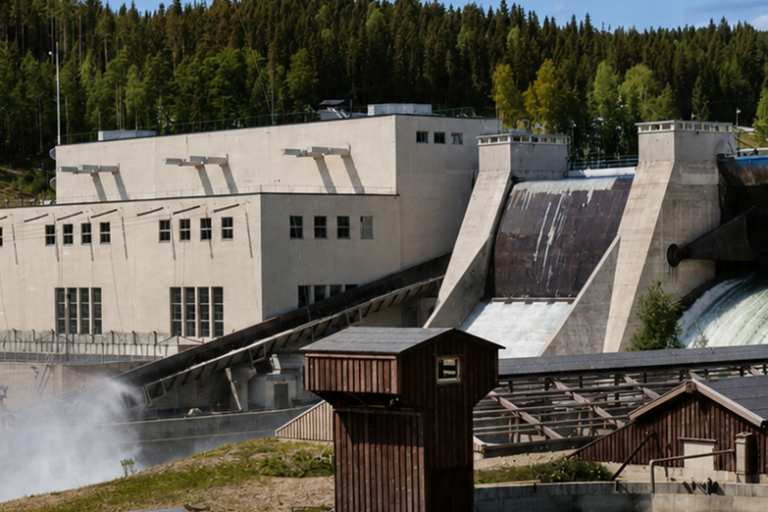
Hölleforsen Power Station
Following the construction of the Hölleforsen hydroelectric power station in the late 1940s, the Swedish State Power Board (Statens Vattenfallsverk) restored part of the road that had originally been built between 1892 and 1894 from Holmsta down to the steamboat harbor at Edset, where among others King Chulalongkorn had traveled on 19 July 1897. The road was therefore given the name “King Chulalongkorn’s Road.”
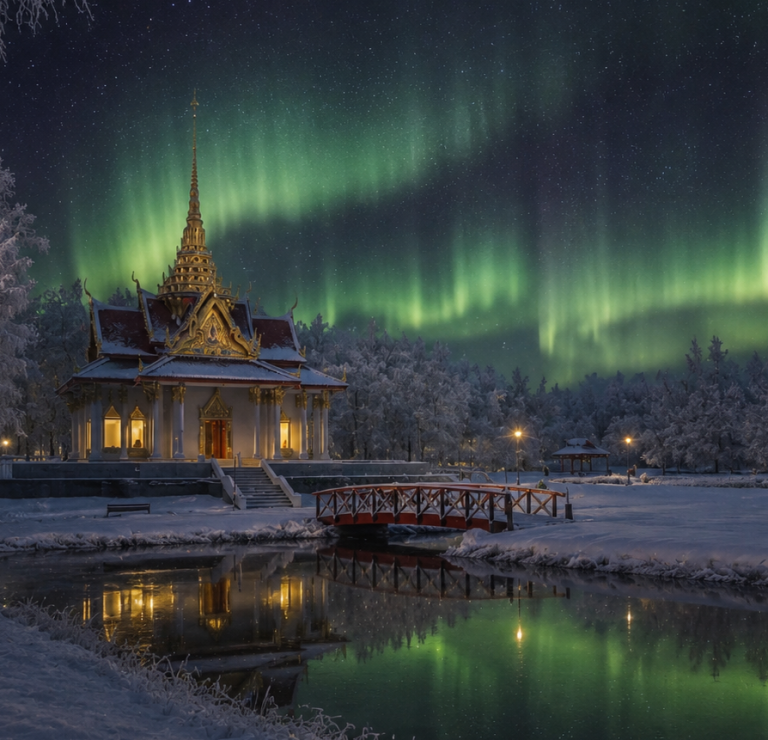
An AI-generated image, yet still completely realistic.